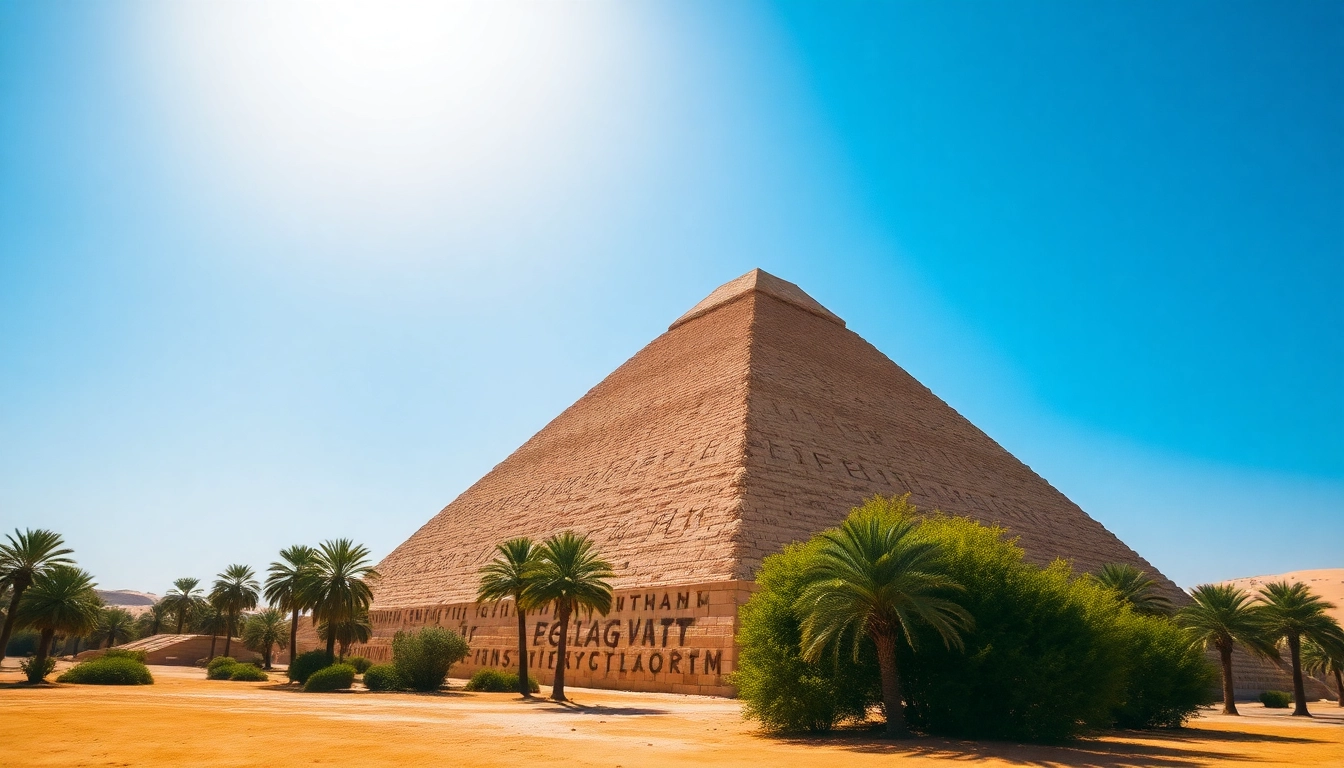
Introduction to Pyramids
Pyramids have captivated the imagination of individuals for centuries, serving as majestic reminders of ancient civilizations and their advanced engineering prowess. The most recognized pyramids, particularly those found in Egypt, are renowned for their historical significance and the mysteries embedded within their structures. https://piraminds.com/ offers extensive insights into these fascinating architectural feats that symbolize power, faith, and the afterlife.
What are Pyramids?
Pyramids are monumental structures with a square or triangular base converging to a point at the top. They were predominantly built as tombs for pharaohs and important figures in ancient Egypt but can also be found in various forms across other cultures, such as the Mesoamerican pyramids. The shape of these structures is believed to represent the rays of the sun, serving a dual purpose of burial and ascension to the heavens.
Historical Significance of Pyramids
The significance of pyramids extends far beyond their architectural grandeur. Built during different dynasties, these monuments reflect the cultural and religious beliefs of ancient Egyptians. They served as enduring symbols of the pharaoh's divine power and the belief in an afterlife, which profoundly influenced ancient Egyptian society. The most famous, the Great Pyramid of Giza, serves as a testament to the advanced understanding of mathematics and construction techniques possessed by the ancient Egyptians.
Construction Techniques Used
The construction of pyramids involved various techniques that showcase the ingenuity of ancient engineers. The Egyptians utilized simple machines, such as levers and ramps, to move large stone blocks. The precision with which they constructed these edifices continues to baffle historians and archaeologists. The workforce, primarily composed of skilled laborers and not slaves as once believed, collaborated in large teams, demonstrating a high level of organization and commitment.
The Pyramids of Giza
Located on the Giza Plateau, the Pyramids of Giza are some of the most iconic structures in the world. They have endured the passage of time, remaining largely intact and continuing to draw visitors and researchers alike with their allure.
Overview of the Great Pyramid
The Great Pyramid, also known as the Pyramid of Khufu, is the largest of the three pyramids on the Giza Plateau. Originally standing at approximately 146.6 meters, its height gives it the distinction of being one of the Seven Wonders of the Ancient World. The Great Pyramid was constructed using an estimated 2.3 million blocks of limestone, a feat that demonstrates the extraordinary capability of ancient builders.
Unique Features of Giza Pyramids
Each pyramid on the Giza Plateau has unique architectural features. The Great Pyramid possesses a complex internal structure that includes several chambers, including the King's chamber, which is decorated with exquisite granite. The Pyramid of Khafre, the second largest, appears taller due to its elevated location, while the smallest pyramid, that of Menkaure, is often overlooked. An intriguing feature of the entire site is the alignment of the pyramids with the stars, leading many to speculate about their astronomical significance.
Importance in Egyptian Culture
The pyramids held immense cultural importance. They were not merely tombs but parts of a larger complex that included temples, mortuary sites, and even smaller pyramids for queens. This complex interconnection reflects the Egyptians' intricate beliefs regarding death and the afterlife. The pyramids served as a bridge between the terrestrial and celestial, indicative of the pharaoh's journey in the afterlife.
Pyramid Construction Theories
The construction of pyramids has instigated numerous theories concerning the methods and workforce employed. Each theory provides insight into the marvel of ancient engineering.
Methods and Materials Employed
Various methods have been proposed regarding how the blocks of stone were transported and assembled. Theories include the use of sleds to drag blocks across the sand, which may have been lubricated with water to reduce friction. The type of stone used, primarily limestone for the outer casing and granite for inner chambers, also required different techniques for quarrying and transportation.
Labor Force Behind the Pyramids
Contrary to popular belief, the workforce that built the pyramids comprised skilled laborers and seasonal workers. Evidence suggests that these individuals were organized into teams and worked in rotating shifts that allowed them to return home to their families. This communal effort not only fostered a sense of shared purpose but also resulted in highly skilled labor that contributed to the architectural splendor of the pyramids.
Modern Excavations and Discoveries
Modern archaeology continues to unravel the secrets of pyramid construction. Recent excavations have unearthed additional structures and artifacts, providing deeper insights into ancient Egyptian society. Technologies such as ground-penetrating radar have been pivotal in discovering hidden chambers and pathways, revealing that much remains to be learned about these fascinating monuments.
Visiting Pyramids Today
The Pyramids of Giza remain a significant tourist attraction, drawing millions yearly, fascinated by their history and grandeur.
Guidelines for Tourists
For visitors intending to explore the pyramids, it is essential to adhere to certain guidelines. Respect local customs, and avoid climbing on the monuments, as this can cause wear and tear. Engaging a knowledgeable guide can significantly enhance the experience by providing context and history behind the structures.
Best Times to Visit
The best times to visit the Pyramids are during the cooler months from October to April. These months generally provide more pleasant weather conditions for exploration. Early morning visits can help avoid the crowds and gain a more intimate experience of the site.
Preservation Efforts and Strategies
Preservation of the pyramids is critical to safeguard these ancient wonders for future generations. Ongoing maintenance includes monitoring the effects of pollution, tourism, and natural erosion. Efforts to restore and conserve both the pyramids and surrounding structures are in place to mitigate deterioration.
Frequently Asked Questions about Pyramids
How were the pyramids built?
The pyramids were constructed using large limestone blocks transported from quarries. Workers utilized ramps and levers, alongside teamwork, for moving these heavy materials to build the pyramid structures.
What is the purpose of the pyramids?
Pyramids served primarily as tombs for pharaohs, symbolizing their journey to the afterlife. They also represented the embodiment of royal power and served religious functions.
Are there pyramids outside Egypt?
Yes, pyramids exist in other regions, such as the Mesoamerican cultures, including the Aztecs and Mayans. Notable examples include the Pyramid of the Sun and the Pyramid of the Moon in Teotihuacan, Mexico.
What tools were used in pyramid construction?
The ancient Egyptians primarily used copper tools, stone chisels, and wooden sledges for transporting and shaping the blocks of stone. They also used ramps for moving the heavy stones into place.
What mysteries still surround the pyramids?
Despite extensive research, many mysteries persist, including the exact methods used for construction, the precise purpose of some chambers, and the potential undiscovered structures nearby, which continue to be subjects of speculation and study.