
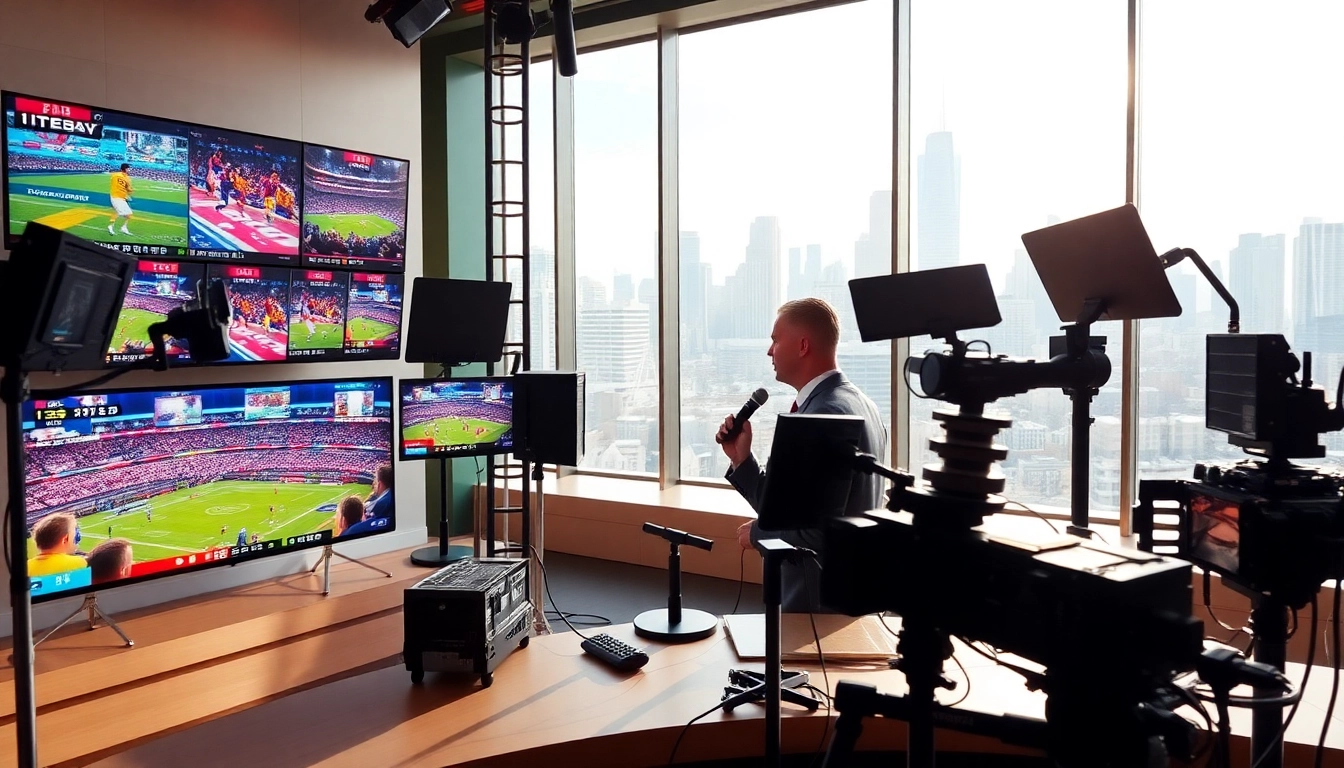
Introduction to Sports Broadcasting
Sports broadcasting is a vital component of the modern media landscape, encompassing the live transmission of sporting events, analysis, discussions, and commentary that engages viewers worldwide. This sector has shifted dramatically over the years, driven by advancements in technology, changing consumer preferences, and the growing importance of digital platforms. Understanding the intricacies of this field is essential for professionals looking to make their mark. This article delves into the multifaceted world of Sports Broadcasting, exploring its history, key components, best practices, challenges, and future trends.
What is Sports Broadcasting?
Sports broadcasting refers to the transmission of live sports events as well as related content through various media outlets, including television, radio, and digital platforms. This service covers everything from major sporting events, such as the Olympics and FIFA World Cup, to local games and even niche sports. The mission of sports broadcasting is to bring the excitement and drama of sports to fans who cannot attend events in person, making it an integral part of the sports industry.
The Evolution of Sports Broadcasting
The journey of sports broadcasting began with the advent of radio in the early 20th century. As technology evolved, television emerged as a dominant medium, dramatically increasing the reach of sports to millions. The 1980s saw the introduction of cable networks dedicated entirely to sports, while the internet revolutionized how viewers consume content. The current landscape prioritizes streaming services, offering on-demand access to sports events and highlights. This evolution showcases the industry's ability to adapt and innovate in response to technological advances and audience preferences.
Importance of Sports Broadcasting Today
Today, sports broadcasting is more important than ever. It fosters community engagement, drives economic activity, and serves as a vital marketing platform for leagues, teams, and sponsors. In a world where users gravitate towards customized content, sports broadcasts provide immediate access to live action, statistics, and analysis. With the rise of eSports and mobile streaming, the landscape continues to shift, further solidifying the relevance of sports broadcasting in our daily lives.
Key Components of Sports Broadcasting
Broadcast Technology and Equipment
The backbone of successful sports broadcasting lies in its technology. High-definition cameras, drones, and specialized audio equipment ensure a captivating broadcast experience. Advanced graphics and data overlays keep viewers informed and engaged, providing insights in real time. The integration of augmented reality (AR) and virtual reality (VR) technologies is also gaining traction, enhancing viewer immersion. Ensuring reliable transmission through fiber optics or satellite technology is equally crucial for quality broadcasts.
Content Creation and Programming
Content creation in sports broadcasting goes beyond simply showing live events. It includes pre- and post-game analyses, player interviews, and behind-the-scenes content. Compelling storytelling enhances the viewer's emotional connection to the sport. Programming schedules should cater to diverse audiences with varying interests in live events, magazine shows, and documentary-style programming. By producing high-quality content that resonates with target demographics, broadcasters can build loyalty and increase viewership.
Audience Engagement Strategies
Engaging audiences is essential in sports broadcasting. Strategies include interactive polls during broadcasts, social media integration, and fan-centric content like highlight reels and personalized team coverage. Leveraging mobile apps and websites allows broadcasters to create unique experiences that encourage interaction. Engaging viewers through gamification and fantasy sports integration can also enhance their connection to the content. Ultimately, successful audience engagement is about understanding viewer preferences and tailoring content accordingly.
Best Practices in Sports Broadcasting
Ensuring Quality in Broadcasting
Quality in sports broadcasting is paramount. This means employing professionally trained crews who can deliver sharp visuals and clear audio. Regular training and investment in the latest equipment help maintain broadcasting standards. Quality control measures, such as real-time monitoring, can catch issues before they affect viewer experience. This commitment to excellence builds credibility and trust with audiences who rely on broadcasters for accurate and engaging content.
Integrating Social Media and Streaming Platforms
Social media platforms offer a unique opportunity for sports broadcasters to connect with their audience. Live tweeting during events, engaging fans through Facebook and Instagram, and creating shareable content are effective strategies for boosting reach. Broadcasting on platforms like YouTube or Amazon Prime provides alternative channels for audiences who prefer streaming over traditional television. Integrating these platforms into a broader sports broadcasting strategy ensures that viewers can access content where and how they prefer.
Data Analytics for Audience Insights
Data analytics has become a cornerstone of effective sports broadcasting. Analyzing viewer data helps make informed decisions regarding content creation, scheduling, and audience engagement tactics. Metrics such as viewer retention rates, demographics, and engagement levels provide insights into what resonates with audiences. By leveraging big data, broadcasters can tailor their offerings to enhance audience satisfaction, driving higher ratings and engagement levels.
Challenges in Sports Broadcasting
Overcoming Technical Difficulties
Technical difficulties can disrupt a broadcast, causing frustration for viewers. Issues can range from signal loss to equipment malfunction. Conducting regular equipment maintenance and having fail-safe systems in place can mitigate risks. Real-time troubleshooting and a responsive technical team are essential in addressing issues swiftly. Proactive measures, like backup feeds, ensure continuity and prevent viewer loss during critical moments.
Navigating Rights and Regulations
The complex landscape of broadcasting rights and regulations presents ongoing challenges. Factors such as territorial rights and licensing agreements require careful management to avoid legal repercussions. Working closely with legal teams and remaining compliant with rules set by governing bodies ensures broadcasters do not face penalties. Establishing strong relationships with sports leagues can help navigate challenges related to content distribution and rights management effectively.
Adapting to Changing Viewer Preferences
As viewer preferences evolve, sports broadcasters must adapt swiftly. Factors like the rise of on-demand content and mobile viewing necessitate a shift in programming strategies. Conducting audience research to anticipate changes in preferences is vital. Innovating formats, such as shorter highlights and interactive components, can keep content relevant. Continuous feedback loops with audiences will ensure broadcasters remain in tune with evolving habits and cater to new interests.
The Future of Sports Broadcasting
Emerging Technologies in Broadcasting
Emerging technologies like artificial intelligence (AI) are set to transform sports broadcasting. AI can automate content curation, analyze viewer behavior, and enhance production quality through automated camera systems and graphics. Blockchain technology also presents opportunities for secure rights management and innovative revenue models, ensuring transparency and trust in broadcasting systems. Staying ahead of technological trends is essential for broadcasters to maintain a competitive edge.
The Rise of Interactive Broadcasting
Interactive broadcasting is reshaping how fans engage with sports content. Features such as live chat, polls, and interactive commentary create a more immersive experience. Augmented reality overlays provide additional insights and statistics that enhance viewer experience. By offering interactive elements, broadcasters can foster a community around their content, increasing loyalty and interest in future broadcasts.
Preparing for Shifts in the Industry
As the sports broadcasting industry continues to evolve, preparing for potential shifts is essential. Staying informed about trends, such as shifts in advertising revenue or changes in viewer behaviors, is important for long-term success. Building flexible business models will allow broadcasters to adapt swiftly to changes without compromising quality or viewer engagement. Networking with industry experts and continual learning through workshops and conferences can provide insights into best practices and future directions.
FAQs About Sports Broadcasting
What is sports broadcasting?
Sports broadcasting refers to the live transmission of sports events and related content through various media outlets, including television, radio, and digital platforms.
How has technology impacted sports broadcasting?
Technology has transformed sports broadcasting by enhancing the quality of broadcasts, enabling interactive content, and providing on-demand viewing options for audiences.
What are the key components of sports broadcasting?
The key components include broadcast technology, content creation, audience engagement strategies, and ensuring quality in broadcasts.
What challenges do sports broadcasters face?
Common challenges include navigating rights and regulations, overcoming technical difficulties, and adapting to changing viewer preferences.
What is the future of sports broadcasting?
The future includes emerging technologies like AI, interactive broadcasting formats, and adapting business models to remain relevant in an evolving industry landscape.